LIFE CYCLE THINKING FOR

ARCHITECTURAL DESIGN


This book provides an accessible and holistic understanding of life cycle assessment, allowing readers to build life cycle thinking into their design process.

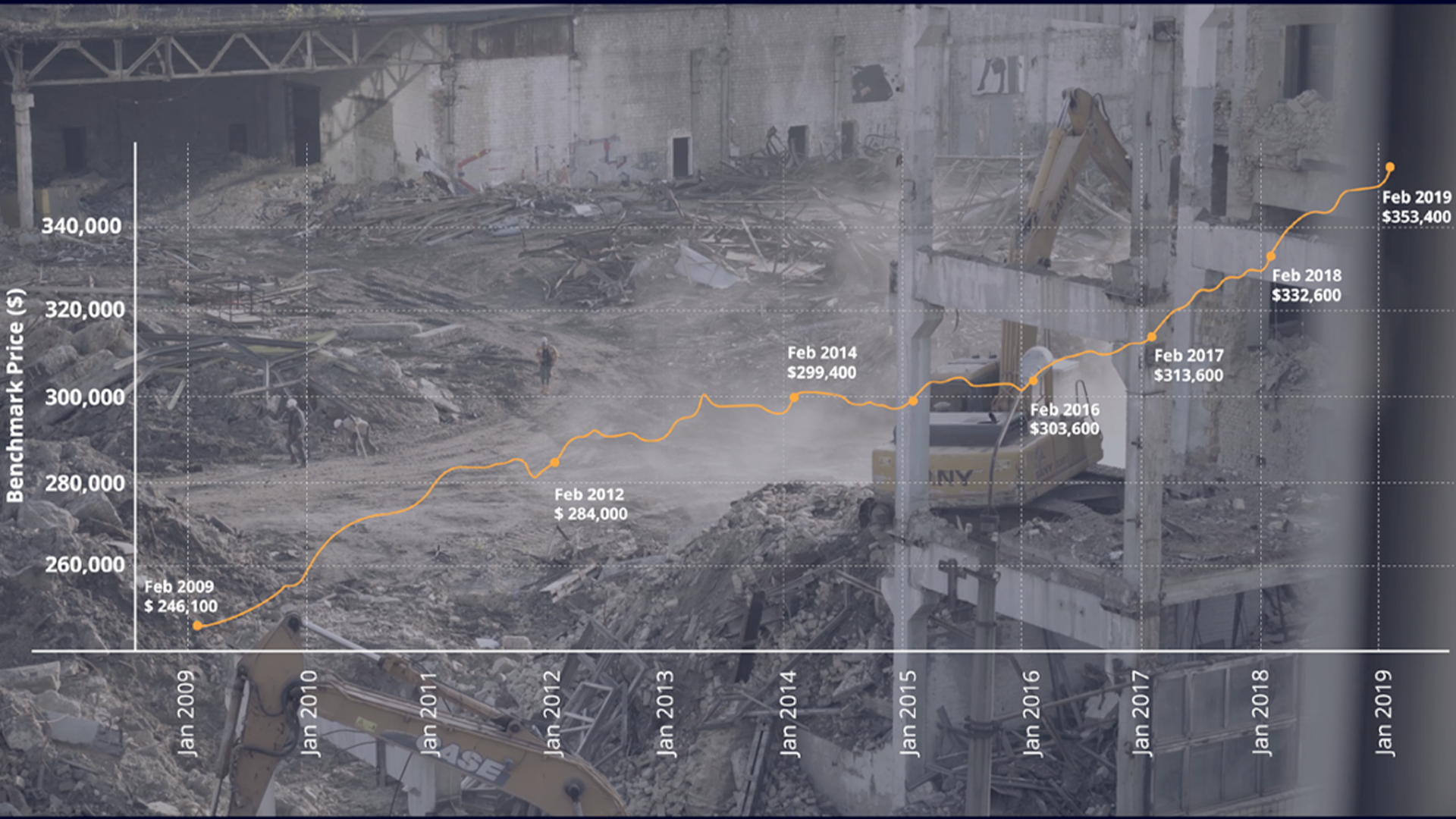
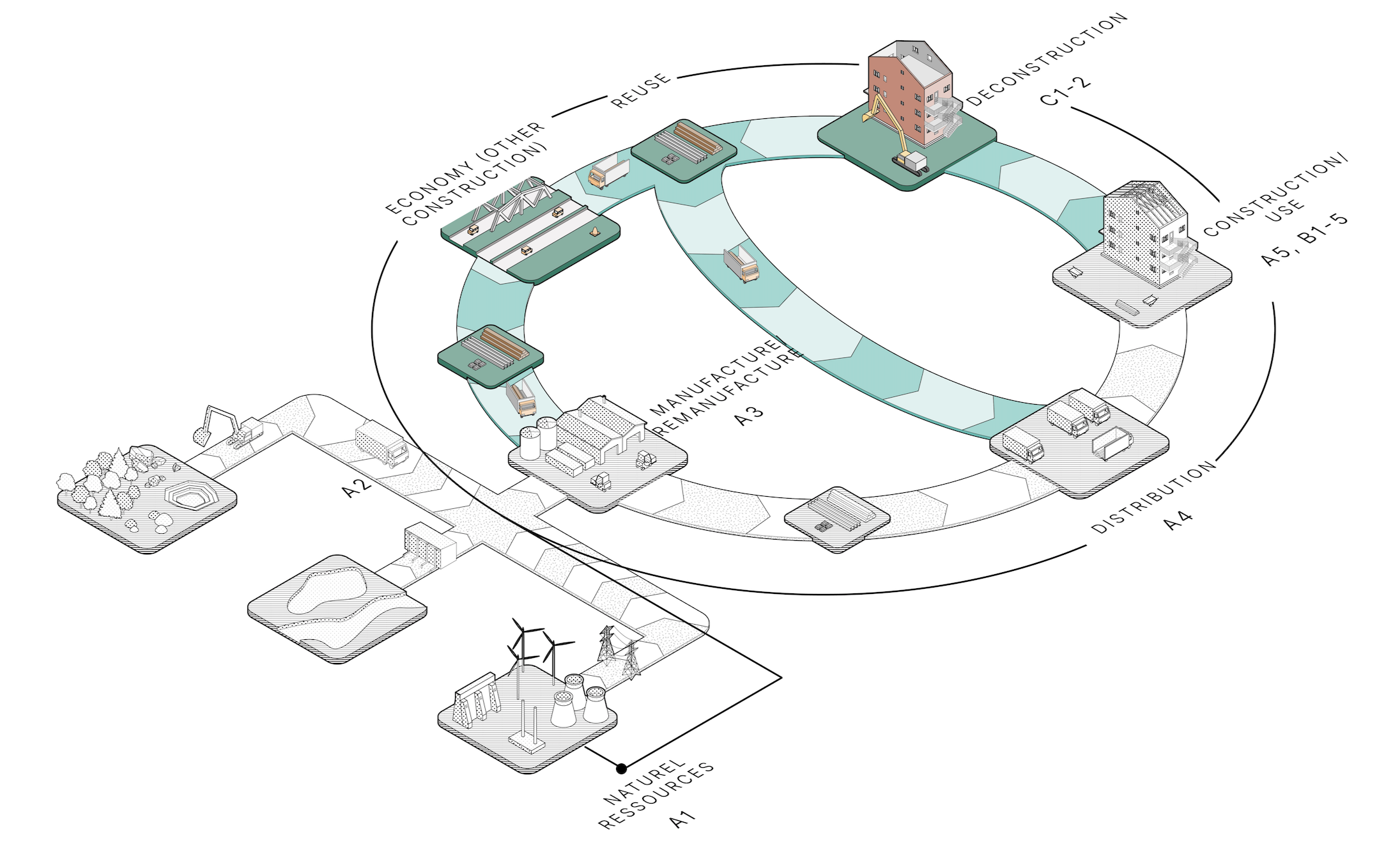
Life cycle analysis is becoming more commonplace in architectural discourse to understand embodied carbon in buildings. However, life cycle cost analysis and social life cycle analysis are often not considered. By combining these methods of analyses, a clear understanding of the environmental, economic, and social aspects of the entire life cycle of a building and its design emerges. Drawing from seminal texts as well as contemporary thinking on systems theory, urban systems, and ecological analyses, this book frames architectural design processes within the socio-ecological context of 21st-century challenges. It also highlights the role data visualization and data storytelling play in capturing the memory or embodied aspects of a building's life cycle. This is critical for evidence-based decision-making during the design process as well as documenting the temporal scale of a building to allow for future use architecture. Finally, a case study comparing the life cycle of Grand Central Terminal and Pennsylvania Station in New York highlights the environmental, economic, and social costs borne by the demolition and rebuild of Penn Station, and provides a demonstration of how the theory works in practice.

This will be an essential resource for all architects and designers at the beginning of their careers.


Team


Naomi Keena, Principal Investigator
Daniel Rondinel
Martha Pomasonco-Alvis
Nazgol Zakerameli Renani
Kenza Hajji
Andi Lin
Alexandre Bouffard
Bronwyn Bell
Bianca Hacker


Publications


Keena, N. (2026). Life Cycle Thinking for Architectural Design. Routledge.

Keena, N., Rondinel-Oviedo, D. R., Pomasonco-Alvis, M., Grozdanoska, M., & Parsaee, M. (2026). Capturing circular value for building sector actors. Buildings & Cities, 7(1), 1275–1297. https://doi.org/10.5334/bc.841

Keena, N., Rondinel-Oviedo, D. R., Bouffard, A., & Pomasonco-Alvis, M. (2026). Towards zero-waste cities: Insights from building material waste flow mapping and stakeholder engagement in Montréal. Sustainable Futures, 12, 102238. https://doi.org/10.1016/j.sftr.2026.102238  

SURCY, APCHQ, & McGill TRACE lab (2025). Guide des matériaux récupérables Rénovation de plexes et de maisons unifamiliales. SURCY.

Keena, N., Rondinel-Oviedo, D., Pomasonco-Alvis, M., Bouffard, A., & Hajji, K. (2025). Integrating Circular Economy in Canada’s Construction Sector: A comprehensive Review of Opportunities and Execution Status. IOP Conference Series: Earth and Environmental Science, 1554(1), 012027. https://doi.org/10.1088/1755-1315/1554/1/012027


LIFE CYCLE THINKING

FOR ARCHITECTURAL

DESIGN


This book provides an accessible and holistic understanding of life cycle assessment, allowing readers to build life cycle thinking into their design process.

Life cycle analysis is becoming more commonplace in architectural discourse to understand embodied carbon in buildings. However, life cycle cost analysis and social life cycle analysis are often not considered. By combining these methods of analyses, a clear understanding of the environmental, economic, and social aspects of the entire life cycle of a building and its design emerges. Drawing from seminal texts as well as contemporary thinking on systems theory, urban systems, and ecological analyses, this book frames architectural design processes within the socio-ecological context of 21st-century challenges. It also highlights the role data visualization and data storytelling play in capturing the memory or embodied aspects of a building's life cycle. This is critical for evidence-based decision-making during the design process as well as documenting the temporal scale of a building to allow for future use architecture. Finally, a case study comparing the life cycle of Grand Central Terminal and Pennsylvania Station in New York highlights the environmental, economic, and social costs borne by the demolition and rebuild of Penn Station, and provides a demonstration of how the theory works in practice.

This will be an essential resource for all architects and designers at the beginning of their careers.


Team

Naomi Keena, Principal Investigator
Daniel Rondinel
Martha Pomasonco-Alvis
Nazgol Zakerameli Renani
Kenza Hajji
Andi Lin
Alexandre Bouffard
Bronwyn Bell
Bianca Hacker


Publications


Keena, N. (2026). Life Cycle Thinking for Architectural Design. Routledge.

Keena, N., Rondinel-Oviedo, D. R., Pomasonco-Alvis, M., Grozdanoska, M., & Parsaee, M. (2026). Capturing circular value for building sector actors. Buildings & Cities, 7(1), 1275–1297. https://doi.org/10.5334/bc.841

Keena, N., Rondinel-Oviedo, D. R., Bouffard, A., & Pomasonco-Alvis, M. (2026). Towards zero-waste cities: Insights from building material waste flow mapping and stakeholder engagement in Montréal. Sustainable Futures, 12, 102238. https://doi.org/10.1016/j.sftr.2026.102238  

SURCY, APCHQ, & McGill TRACE lab (2025). Guide des matériaux récupérables Rénovation de plexes et de maisons unifamiliales. SURCY.

Keena, N., Rondinel-Oviedo, D., Pomasonco-Alvis, M., Bouffard, A., & Hajji, K. (2025). Integrating Circular Economy in Canada’s Construction Sector: A comprehensive Review of Opportunities and Execution Status. IOP Conference Series: Earth and Environmental Science, 1554(1), 012027. https://doi.org/10.1088/1755-1315/1554/1/012027